

Blog
What design challenges arise when working on sheet metal fabrication?

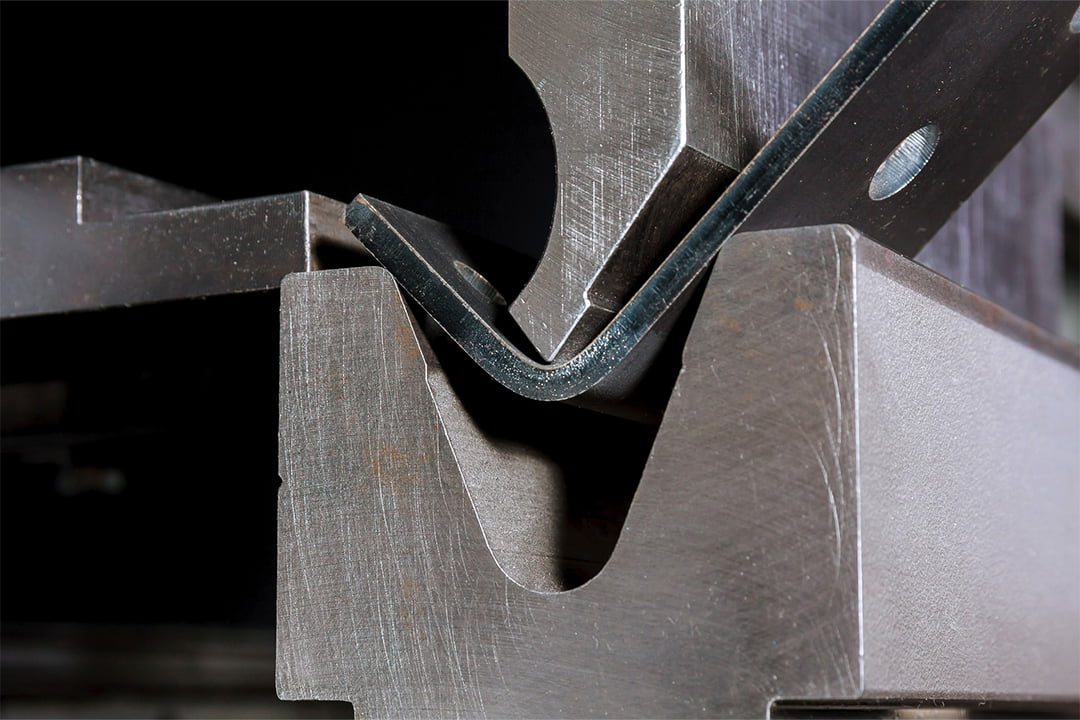
Successful sheet metal fabrication depends on more than just skilled techniques and proper equipment — thoughtful design choices lay the foundation for efficiency, quality, and cost-effectiveness. Below are the core design factors to prioritize:
By addressing these factors during the design phase, you can streamline the bending process, reduce rework, and ensure the final part meets all performance and fit requirements.
Depending on your application, there are many available variations of metal bending, known as different bending methods, such as rotary bending, roll bending, and press brake bending. Selecting the right bending machine for each application is crucial for achieving high precision and the desired shape. It is important to calculate and apply the correct bending force based on material type, thickness, flange length, and bend angles to ensure proper bends without deformation.
Accurate placement of bend lines is essential for achieving precise bend angles and avoiding internal stress or cracking.
Bend relief should be incorporated near edges or flanges to prevent tearing during the bending process. The process of making bends involves considering factors like bend allowance, bend radius, material behavior, and springback. Strategically placing bends and ensuring they are adequately spaced helps avoid fitting issues, especially when dealing with successive bends. When successive bends are unavoidable, the intermediate part should be longer than the flanges to ensure proper fitting on the die. Partial bending is a technique that allows for a range of angles and easier adjustment due to springback. Achieving the desired angular shape in bent parts and bent sheet metal parts requires careful technique selection and attention to detail.
Edge bending is used to shape edges without causing damage, improving both appearance and safety. Maintaining minimum flange length and proper flange length is critical in design to avoid deformation and ensure structural integrity. Designing bends in the same direction can reduce costs and minimize deformation. Here are some of the most common techniques you might use.