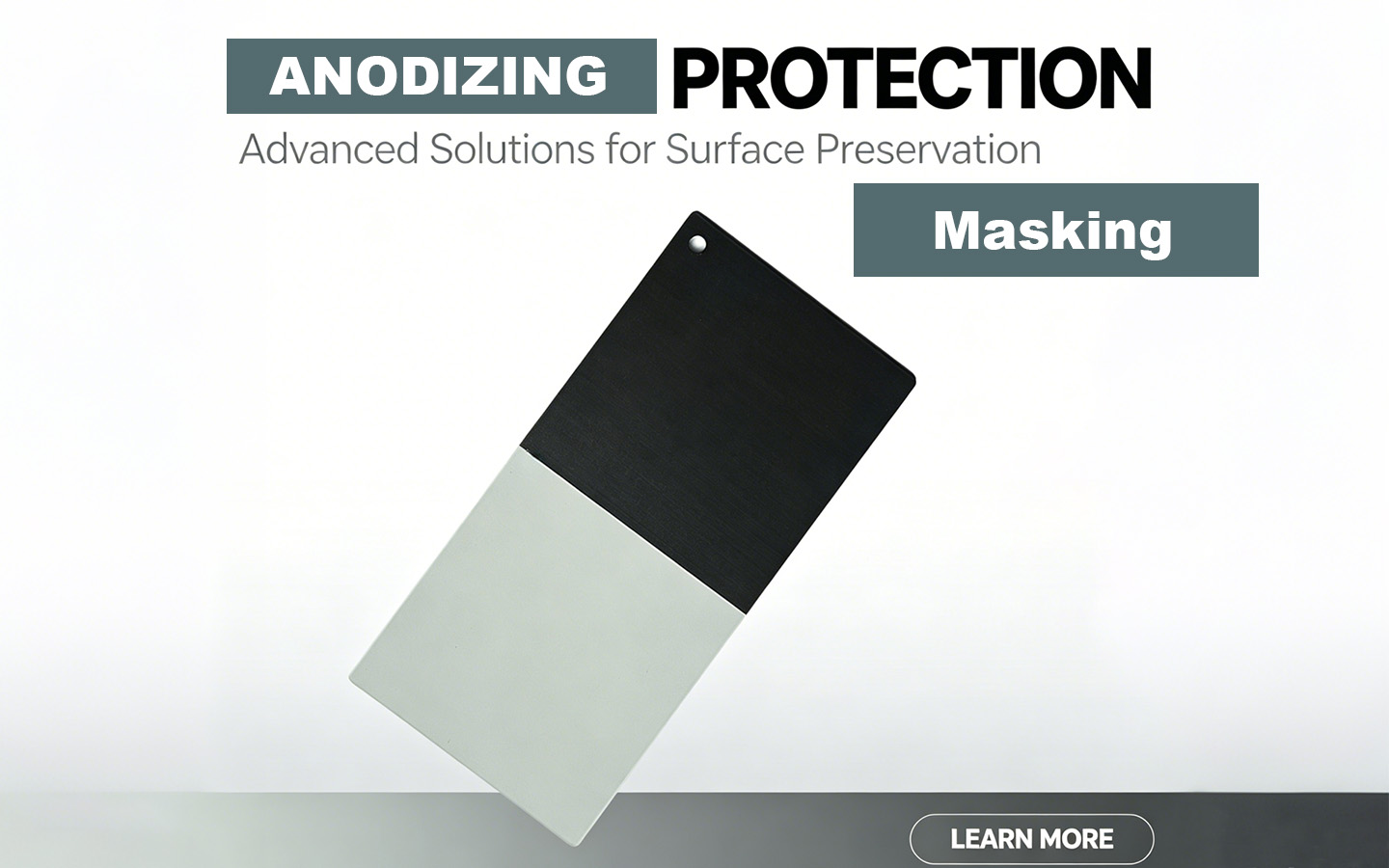
During chemical and surface treatments (anodizing, plating, phosphating, painting, etc.), functional surfaces (threads, precision mating faces, blind holes, etc.) can be contaminated by process fluids or residues, causing assembly problems, corrosion, or failure. Proper masking protects critical features, reduces rework, increases yield, and ensures reliable field assembly.
Threads / internal bores
Materials: silicone or nitrile (NBR) threaded plugs; PTFE tape for small threads.
Use when complete isolation is required or to prevent fluid ingress. For high‑temperature processes, choose high‑temperature rated materials.
Precision mating faces
Materials: laser‑cut PSA masks (polyimide/Kapton or PET films).
Use for flat or regular surfaces that require residue‑free edges and clean removal.
Small holes / slots
Materials: preformed cork or foam plugs; liquid peelable mask (water‑soluble).
Use for irregular or fine through‑holes that are difficult to seal mechanically.
Weld seams during plating/coating
Materials: high‑temperature silicone tape or braided fiberglass tape.
Use where heat or aggressive chemicals are present and residue must be avoided.
Blind cavities / complex internal geometries
Materials: water‑soluble peelable masks or liquid peelable coatings.
Use when removal of solid plugs is impractical — prefer easy rinse‑out solutions.
High‑temperature processes
Materials: high‑temperature silicone plugs or PTFE materials.
Use only materials that will not decompose, migrate, or contaminate the part at process temperatures.
This guide lists recommended masking solutions by feature and process, application tips, and verification methods for engineering and quality teams.
Alkaline residues present on aluminum surfaces or inside blind holes.(This part has a design issue: the anodizing masking holes have no hanging points.)
When a hanger hook is inserted into a hole it creates a trapped pocket/gap where rinse water and wash solutions cannot reach or drain properly, allowing residues to concentrate and evaporate into crystals.
Insufficient rinsing leaves alkaline residues trapped in blind holes, threads, or gaps around plugs.