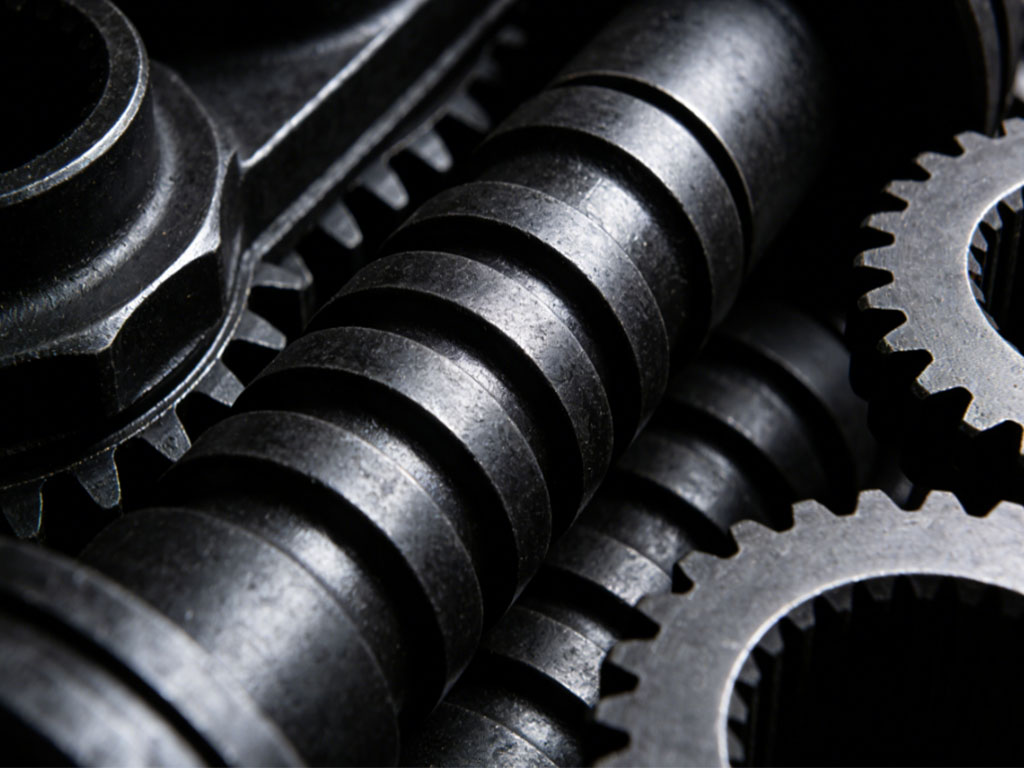
Blackening (also known as black oxide coating or bluing) is a low-cost, chemical surface treatment that creates a thin, black iron oxide layer on ferrous metals (e.g., steel, cast iron). This process enhances corrosion resistance, improves aesthetics, and provides a base for lubrication—making it a staple in automotive, industrial, and firearm manufacturing.
Blackening involves submerging clean ferrous metal parts in a hot alkaline solution (typically containing sodium hydroxide, nitrates, and nitrites) at 140–150°C. The chemical reaction between the solution and the metal surface forms a layer of magnetite (Fe₃O₄), a dense, black oxide that adheres tightly to the substrate.
Unlike electroplating (which adds a separate metal layer), blackening transforms the top few micrometers of the base metal into oxide—resulting in minimal dimensional change (layer thickness: 0.5–1.5 μm). This makes it ideal for precision components where tight tolerances are critical.