Blog
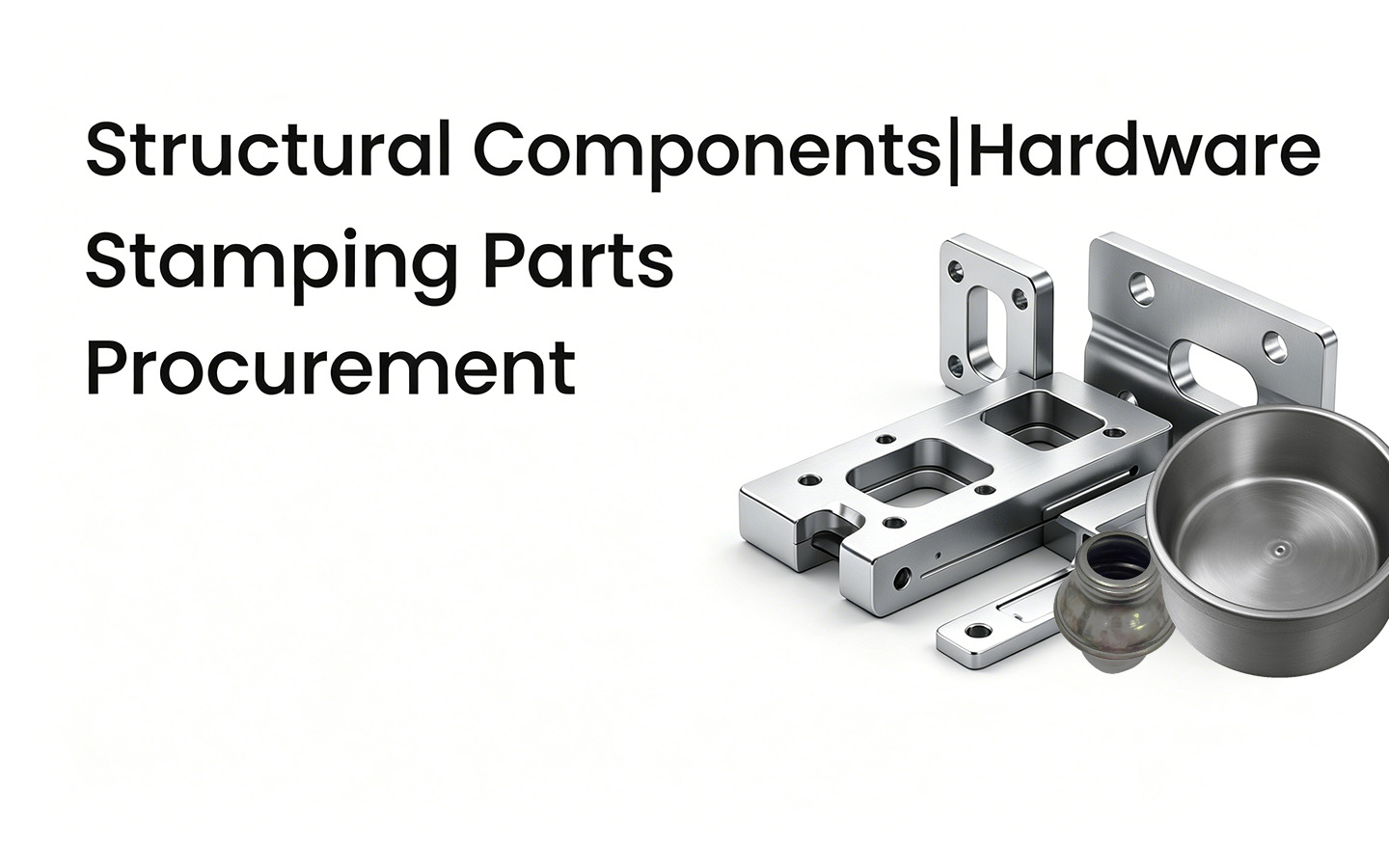
Structural Components|Hardware Stamping Parts Procurement
Breakdown of Material Costs for Hardware Stamping Parts: Stop Being Overcharged on Bulk Small Part Purchases
Having Mastered the Two Core Structural Components: Sheet Metal and Injection Molding
Today, we continue with the must-have hardware stamping parts for electronics, home appliances, and new energy industries.
Unlike large sheet metal parts, stamping parts focus on ultra-thin profiles, small sizes, high-volume production, and standardized die forming. Don’t be fooled by their small size and low unit price—high annual consumption means hidden costs add up fast over time.
🌟Material Selection Section
Galvanized/Aluzinc Steel Sheet:
Pre-coated with anti-rust layer, oxidation-resistant, eliminating the need for secondary anti-rust treatment.
Ideal for humid environments, outdoor equipment, and externally exposed small components of finished products
Stainless Steel 301/304:
Excellent elasticity, corrosion resistance, and rust resistance.
Top choice for springs, clips, conductive contacts, and precision elastic structural components
Copper Alloys (Brass/Phosphor Bronze):
Superior conductivity, high ductility, and oxidation resistance.
Specialized for shielding cans, conductive terminals, contact springs, and new energy connection components
⚠️ Critical Pitfall Avoidance:
Even the same material comes in two grades: deep-drawing grade (for stamping) and standard hard sheet. Forcing stamping on hard sheets will easily cause cracking and deformation.
💰 Core Cost Formula for Stamping Parts (Industry Standard)
The universal pricing logic for all stamping factories:
Unit Stamping Cost = Raw Material Cost + Stamping Processing Cost + Post-Processing Cost + Scrap Loss + Die Amortization
Suppliers who only quote a bundled price without line-item breakdowns are almost always hiding margins in materials, coatings, or scrap rates.
1. Material Cost (Cost Foundation, Biggest Margin Trap)
Calculation Method: (Blank Weight per Unit × Daily Sheet Price) + Reasonable Scrap Allowance
- High-volume production with progressive dies: Reasonable scrap rate of 4%–8%
- Complex parts with irregular shapes/multi-step drawing: Scrap rate of 8%–12%
⚠️ Common Procurement Pitfalls:
1. Thickness Under-specification: Ordering 0.8mm material but receiving 0.65mm (visually indistinguishable, but directly reduces part strength)
2. Material Downgrade: Replacing stainless steel with iron-chromium alloys or phosphor bronze with standard brass, leading to catastrophic drops in service life
3. Coil Mixing: Mixing prime material with off-grade head/tail scrap from coils, causing a surge in batch defect rates
2. Stamping Processing Cost
Determined by: Die stations, stamping speed, number of cavities, and manual sorting requirements
- High-speed progressive dies: Multi-cavity, high-volume production with extremely low unit processing cost
-
- Single-operation simple dies: For low-volume prototyping only, with higher unit costs
-
⚠️ Hidden Practices:
Charging multi-station precision die rates for parts that only require simple dies, inflating processing costs.
3. Post-Processing Cost
Includes plating (nickel/zinc), passivation, cleaning, and deburring.
Most stamping parts rely on surface treatment for rust protection, conductivity, and improved appearance.
Coating thickness and salt spray grade are common areas for under-specification while overcharging.
4. Die Amortization Cost
The core barrier to mass-produced stamping parts
- High monthly consumption: Die costs are spread out to negligible levels
- Low-volume custom orders: Die and tooling fees must be explicitly itemized
(PS.Agree upfront on die ownership, maintenance costs, and minimum production runs to avoid unexpected charges later.)
🗺️ Regional Distribution of Stamping Part Suppliers in China
- Precision Elastic Parts/Stainless Steel Springs: Dongguan & Shenzhen, Guangdong (High-precision dies, mature coating processes, ideal for precision small parts in electronics and new energy)
- High-volume Standard Stamping Parts: Wenzhou (Zhejiang), Foshan (Guangdong), Kunshan (Jiangsu) (Concentrated industry clusters with saturated capacity, offering unbeatable value for standard parts and high-volume orders)